La Petite Academy Blog: June 23, 2026
- 877.861.5078
- Schedule a Tour
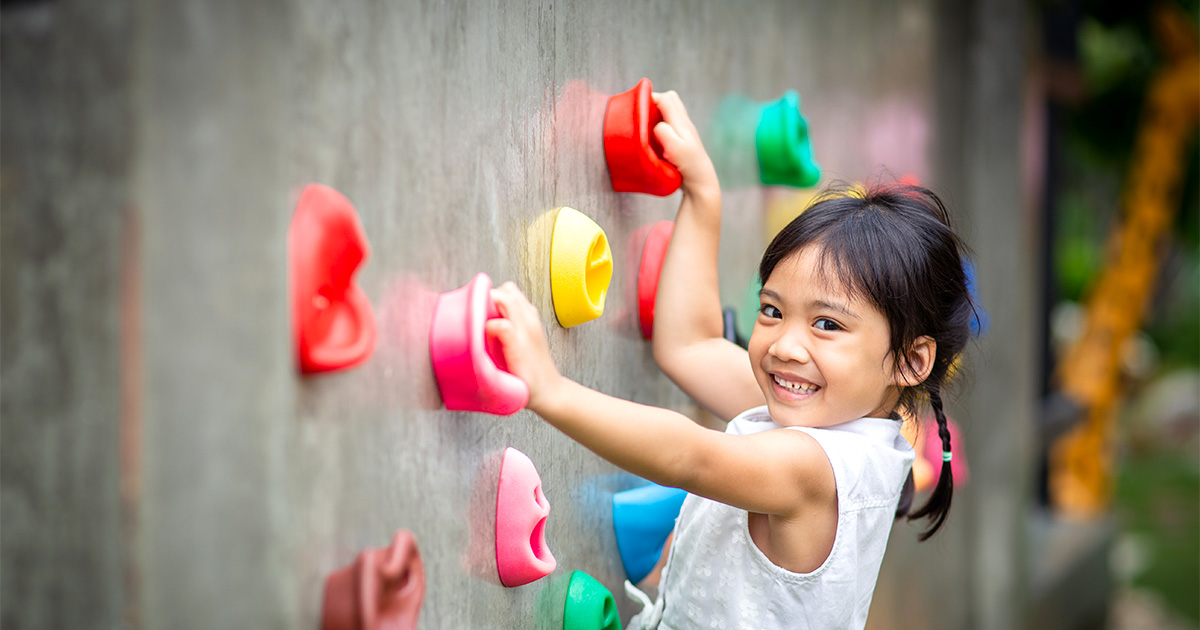
The more we study how children learn, the more we understand that play is the method that helps young children acquire new skills. When children play, they do much more than have fun. They’re actively building important skills that support their early growth and development. At Learning Care schools, our Learn as We Grow® approach uses a play-based, inquiry-led approach to help children explore, ask questions, and discover the world around them.
What Is Play-Based Learning?
Play-based learning means children learn through trying hands-on, meaningful experiences. This includes activities such as building blocks, pretending during dramatic play, or exploring new and unfamiliar materials while teachers guide their thinking and support learning. Our teachers provoke deep thinking and ignite a love of learning as they make observations and ask intentional questions.
How Does Play Help Children Grow?
Research shows that playful learning helps children stay engaged and develop a deeper understanding of new ideas. Through the simple act of play, children develop complex skills across all areas of their academic journey.
- Thinking & problem-solving: Experimenting, building, and figuring things out
- Social skills: Sharing, taking turns, and working with others
- Language: Talking, storytelling, and expressing ideas
- Physical skills: Moving, climbing, drawing, and using their hands
How Do Teachers Support This Approach?
In play-based classrooms across our Learning Care community, teachers are active partners in the process. They don’t just give answers; they help children wonder, investigate, and discover. They:
- Create safe, engaging environments
- Ask questions that spark thinking (“What do you think will happen next?”)
- Encourage curiosity, creativity, and exploration
Carefully planned routines and thoughtfully created learning centers give children time to explore while feeling safe and supported.
What is Play-Based Learning vs. Free Play?
Both are important, but they are a little different. At Learning Care schools, children experience both free play and play-based activities, giving them the freedom to explore and the support to grow. Here are the primary differences:
- Free play: Children choose what and how to play on their own
- Play-based learning: Children still have choice, but teachers guide the experience to support learning
Want to explore more about this topic? These trusted resources are a great place to start as your child settles into meaningful routines in our classrooms.
- National Association for the Education of Young Children (NAEYC): The Power of Playful Learning in the Early Childhood Setting
- ChildCare.gov: Supporting Learning Through Play
About the Author
Amber Clark, Education Specialist

Amber Clark is passionate about helping young children and families thrive. She holds a master's degree in Educational Business Administration and is part of the Learning Care Education Team. Throughout her career, Amber has worked closely with teachers, school leaders, and families across a variety of early learning settings, including Montessori programs and schools serving children of military families. She is committed to creating high-quality, nurturing environments where children feel safe, confident, and excited to learn.
